Culture
Rumi is one of America’s most popular poets – but translations often strip his poetry of its Islamic roots
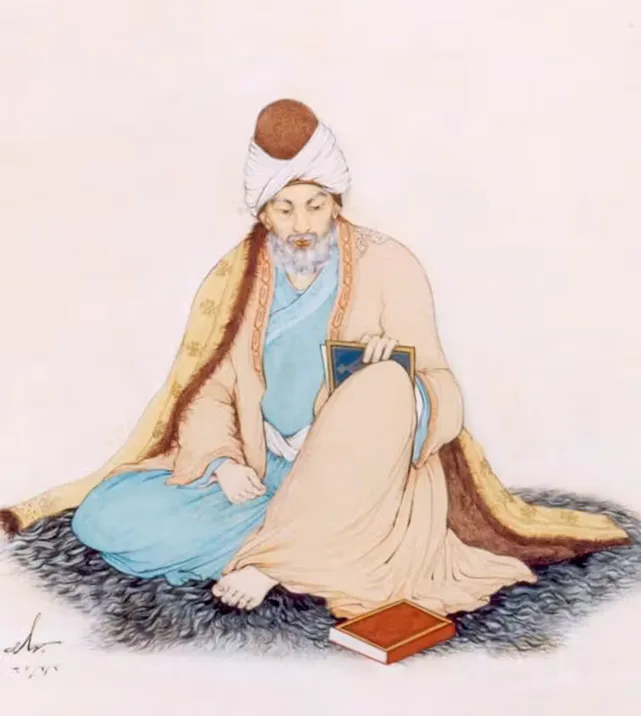
Rumi, a revered figure in Islamic literature, has gained immense popularity in America, often being celebrated as a poet transcending cultural boundaries. However, many translations of his work tend to dilute his Islamic heritage, stripping away the spiritual and cultural context that is integral to his poetry. A recent scholarly analysis highlights the importance of understanding Rumi's Sufi roots to fully appreciate the depth of his messages. The article emphasizes that Rumi's poetry is not just literary art but also a reflection of his Islamic beliefs and teachings. By examining the nuances lost in translation, readers can gain a deeper insight into the spiritual dimensions of his work. This discussion is particularly relevant as Rumi's popularity continues to grow in diverse communities, prompting a reevaluation of how his legacy is presented. In a world increasingly interested in spirituality and interfaith dialogue, recognizing Rumi's Islamic identity is crucial. It invites a broader conversation about the importance of cultural authenticity in literary translations and the impact of such interpretations on the understanding of Islamic thought in the West.